

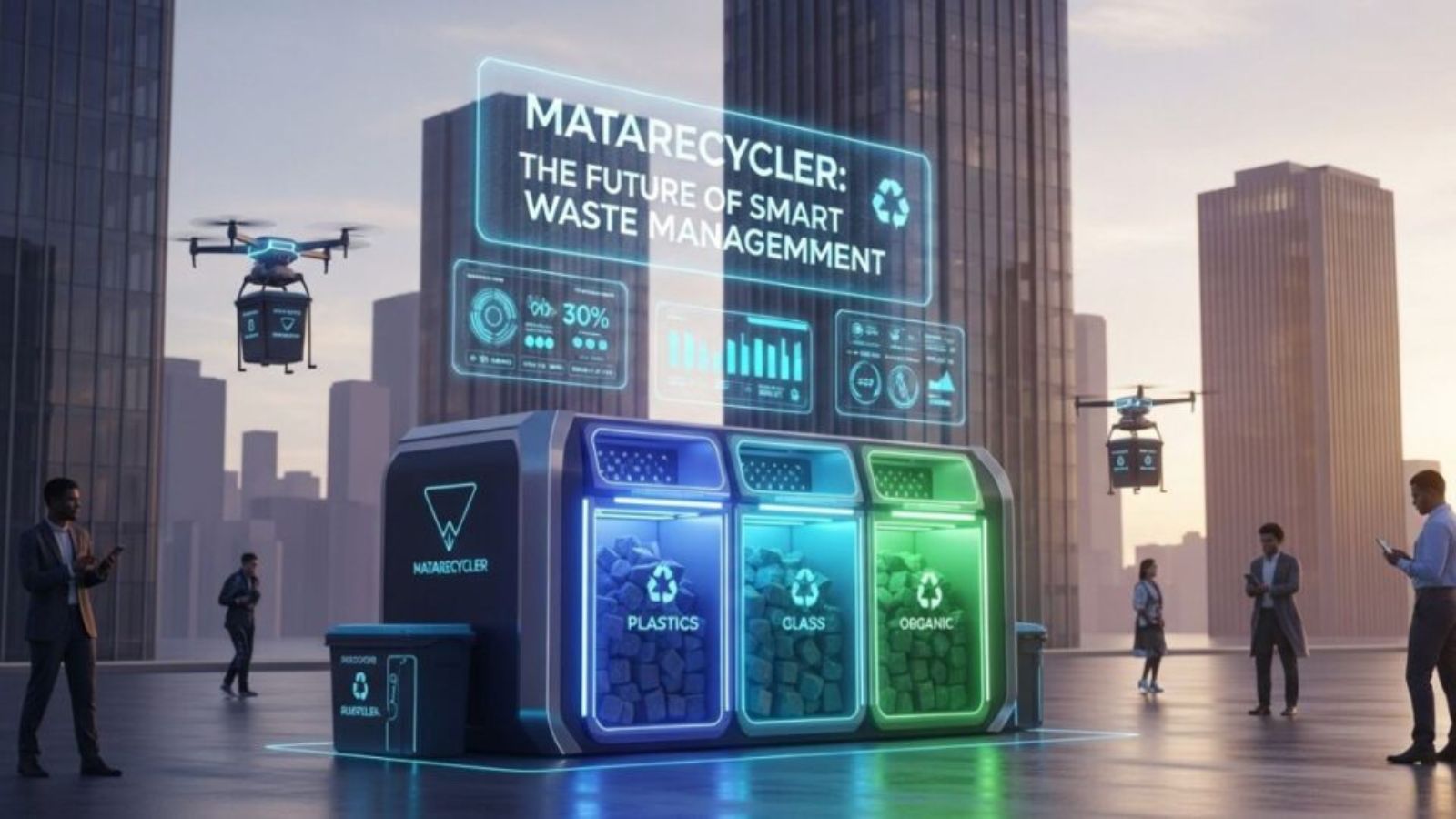
The term “MataRecycler” is not yet widely recognized in mainstream recycling, sustainability, or technology industries, but early references suggest that it relates to an innovative project, system, or concept tied to material recovery and environmental management. Mentions on platforms like Scribd and in PDF-based documents indicate that it may be part of a research project, academic study, or small-scale recycling initiative still in development. Unlike widely established terms such as “motorcycle,” which have global definitions, MataRecycler appears to represent a niche or emerging idea within the recycling world.
Some references also link it to mechanical or automotive contexts, suggesting that MataRecycler may be associated with the recycling or reprocessing of components used in motorcycles, bikes, or other mobility-related technologies. Because the exact definition isn’t universally standardized, understanding the concept requires exploring the potential applications and purpose behind the name.
Understanding the Concept Behind MataRecycler
The name “MataRecycler” can be interpreted in two main ways based on linguistic and contextual clues. In some languages, the word “Mata” means eye or vision, which could imply that MataRecycler refers to a recycling system that “sees,” detects, or sorts waste using intelligent technology. This aligns well with modern recycling plants that use AI-powered sorting systems to identify materials based on visual inputs.
Another interpretation is that “Mata” is simply a proper name, making MataRecycler the title of a local recycling project, a community initiative, or a sustainability-focused research prototype. Many grassroots environmental programs adopt unique names that combine English and local language elements, making this possibility highly realistic.
Possible Uses and Areas of Application
Early context suggests that MataRecycler may be relevant in different recycling environments. It could be part of a community-based plastic recycling project that encourages people to sort household waste more effectively. It might also relate to the mechanical recycling of motorcycle or bike components, as hinted by tech listings that mention two-wheeler parts or mobility technologies.
Another possibility is that MataRecycler refers to an experimental smart recycling solution, perhaps featuring sensors, small AI models, or machine vision tools used to identify and categorize different waste materials. Such systems are already being tested in universities and technology-focused competitions worldwide.
Why Concepts Like MataRecycler Matter Today
Even without widespread recognition, ideas like MataRecycler hold value because they reflect the growing global emphasis on sustainability. As populations increase and consumption rises, the need for better waste management solutions becomes urgent. Projects like MataRecycler encourage circular economy practices, where materials are reused, recycled, and repurposed instead of becoming waste.
These systems also nurture innovation by inspiring young researchers, engineering students, and startups to explore new methods of recycling. They often include awareness-building elements that educate communities on how to manage and reduce waste. In many regions, especially in developing countries, small-scale recycling programs have had a noticeable impact on reducing landfill pressure and promoting environmental responsibility.
Key Features MataRecycler Might Offer
Although not an established product, a concept like MataRecycler would likely include features seen in other modern recycling innovations. It may include a sorting mechanism that categorizes waste into metal, plastic, glass, and electronic scrap. It could be designed for community use, with simple controls and affordable materials. It might also incorporate technology like sensors or small cameras to improve accuracy in sorting.
If MataRecycler is meant for mechanical recycling, it could be used in small workshops to recover parts from used bikes, engines, or machinery. Such projects help reduce waste and support local economies by enabling the repair, reuse, or upcycling of old components instead of discarding them.
Potential Benefits of MataRecycler
One of the main advantages of a system like MataRecycler is its ability to promote a culture of recycling in environments where waste management infrastructure is limited. It can help schools, communities, and local businesses handle their waste more efficiently. If it includes automation or smart features, it might reduce human error in sorting and improve overall recycling quality.
Sustainability education is another key benefit. Students or community members involved in such a project learn about environmental challenges and practical solutions. This knowledge can inspire future innovations and long-term eco-conscious behavior. If MataRecycler is linked to mechanical recycling, it can also support repair and upcycling industries, which reduce both waste and costs.
Challenges MataRecycler Might Face
Emerging recycling concepts often face several obstacles. Because MataRecycler is not widely known, awareness and adoption may be limited. Funding can also be a challenge for community-based environmental initiatives. If the concept involves technology, factors such as maintenance, skill requirements, and equipment costs may also create difficulties.
In some regions, the lack of recycling infrastructure, proper waste collection systems, and community training can slow down implementation. Ensuring long-term sustainability requires planning, support, and continuous engagement from local stakeholders.
The Future Potential of MataRecycler
If fully developed, MataRecycler could become part of the growing wave of intelligent recycling technologies. It might evolve into a smart sorting device that uses cameras and AI algorithms to classify waste accurately. It could also become a model program for schools and communities, demonstrating how to manage waste effectively at a local level. For mechanical recycling, it might develop into a specialized system for processing used motorcycle or bike components, contributing to sustainable mobility technologies.
As environmental awareness continues to rise globally, niche concepts like MataRecycler may inspire larger, more impactful recycling solutions. They highlight the importance of creativity, innovation, and localized approaches to solving worldwide environmental challenges.
Conclusion
Although MataRecycler is not yet a globally recognized name, the concept reflects the ongoing need for smarter, community-focused recycling solutions. Whether it represents a local initiative, a research project, a mechanical recycling system, or a tech-driven waste sorting prototype, MataRecycler symbolizes innovation in the pursuit of sustainability. Projects like this encourage communities, students, and tech developers to think differently about waste and work toward a cleaner, greener future.
