

Introduction
Çeciir, known globally as chickpeas or garbanzo beans, represents one of humanity’s oldest cultivated crops and continues to hold remarkable significance in contemporary cuisine and nutrition. This humble legume has journeyed through millennia, from ancient Middle Eastern civilizations to modern health-conscious kitchens worldwide. Understanding çeciir means exploring a food that bridges cultural traditions, nutritional science, and culinary innovation.
What Is Çeciir?
Çeciir refers to the edible seeds of Cicer arietinum, a leguminous plant belonging to the Fabaceae family. These rounded, beige-colored beans feature a distinctive nutty flavor and firm texture that softens beautifully when cooked. The term “çeciir” derives from Turkish linguistic roots, though this legume carries different names across cultures—chickpea in English, garbanzo in Spanish, and chole in Hindi.
Two primary varieties dominate global markets: the larger, lighter-colored Kabuli type popular in Mediterranean and Western cuisines, and the smaller, darker Desi variety prevalent throughout India and the Middle East. Both varieties offer similar nutritional profiles while differing slightly in taste and cooking applications.
Early Cultivation and Spread
From its Middle Eastern origins, çeciir cultivation expanded along ancient trade routes. By 2000 BCE, chickpeas had reached the Indian subcontinent, where they became integral to regional cuisines and agricultural systems. The crop’s drought tolerance and adaptability to various soil types facilitated its spread across Mediterranean coastlines, North Africa, and eventually to the Americas following European colonization.
Indian farmers developed the Desi variety through selective breeding, creating a hardier strain suited to the subcontinent’s diverse climatic zones. This variety became fundamental to Indian agricultural practices, particularly in rain-fed farming systems where its drought resistance proved essential.
Cultural Importance of Çeciir
Çeciir holds profound cultural significance across multiple civilizations. In Middle Eastern traditions, chickpeas form the foundation of iconic dishes like hummus and falafel, foods that carry deep social and communal meanings. Sharing a bowl of hummus represents hospitality and connection in Arab cultures.
Indian cuisine celebrates çeciir in numerous forms, from chana masala to besan-based sweets distributed during festivals. The legume appears in religious observances and traditional celebrations, symbolizing prosperity and nourishment. Mediterranean societies incorporate chickpeas into stews and salads, viewing them as essential pantry staples that sustained families through harsh winters.
Beyond sustenance, çeciir represents agricultural wisdom passed through generations, embodying sustainable farming practices that modern agriculture increasingly values.
How Çeciir Is Made
Commercial çeciir production involves several critical stages. Farmers plant seeds in well-drained soil during cooler months, as the crop thrives in moderate temperatures. The plants develop small white or purple flowers that transform into pods containing one to three seeds.
Harvesting occurs when pods dry and turn brown, typically 100-120 days after planting. Modern mechanical harvesters efficiently collect mature plants, though smallholder farmers in developing regions often harvest manually. Post-harvest processing includes threshing to separate seeds from pods, cleaning to remove debris, and grading by size and quality.
Dried çeciir requires soaking before cooking, a process that softens the beans and reduces cooking time. Traditional preparation involves overnight soaking followed by boiling until tender, though pressure cookers significantly accelerate this process. Canned varieties offer convenience, arriving pre-cooked and ready for immediate use.
Çeciir as a Snack or Flour
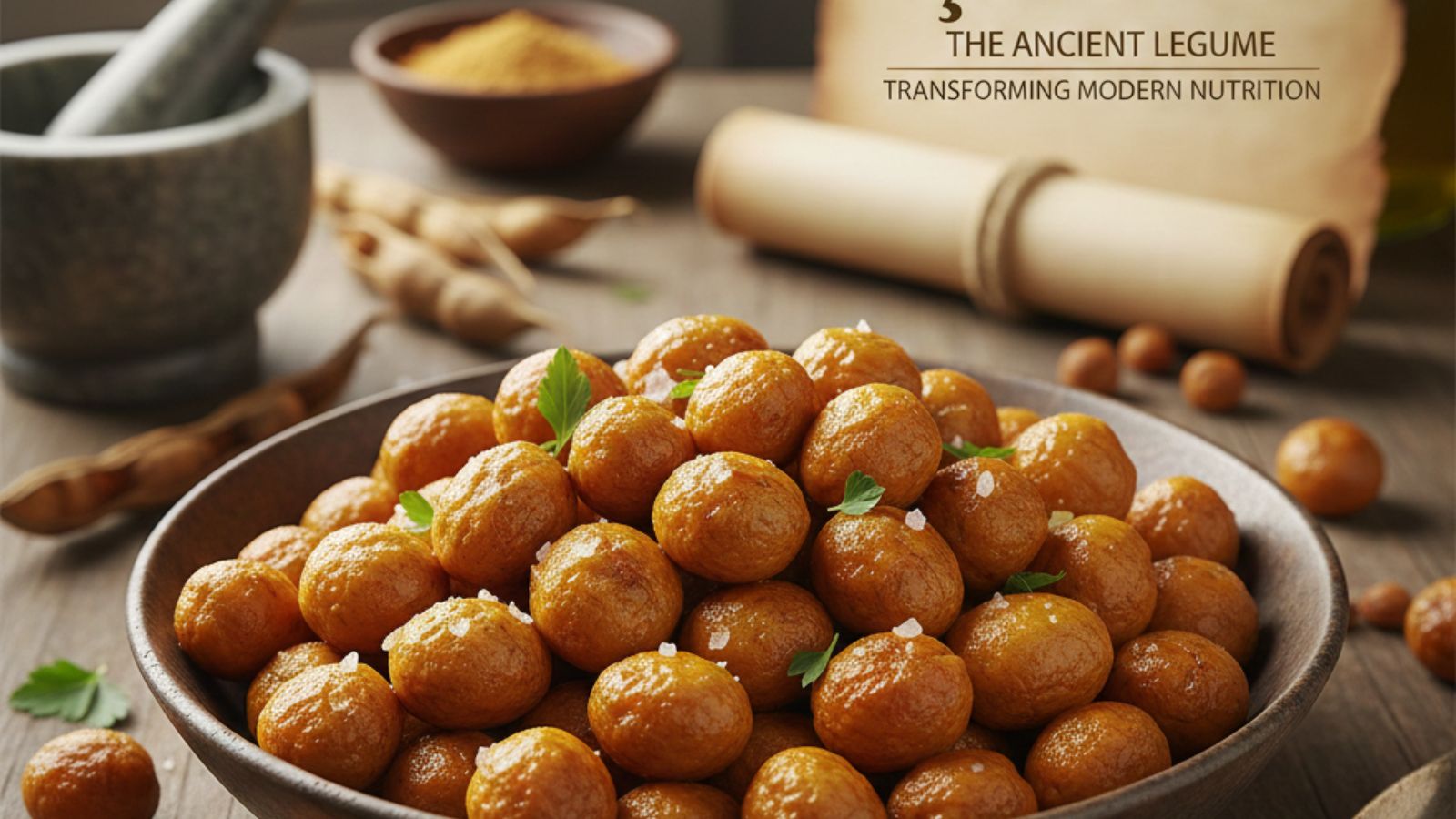
Raw or roasted çeciir has gained popularity as a nutritious snack alternative. Roasted chickpeas, seasoned with spices, deliver satisfying crunch and protein without excessive calories. This transformation from pantry staple to portable snack reflects changing consumer preferences toward healthier convenience foods.
Chickpea flour, called besan or gram flour, represents another versatile çeciir product. Created by grinding dried chickpeas into fine powder, this gluten-free flour serves multiple purposes. Indian cuisine employs besan extensively for pakoras, sweets, and flatbreads. Mediterranean and Middle Eastern cooks use chickpea flour for socca and panisse.
The flour’s binding properties make it valuable in vegan baking, replacing eggs in recipes while contributing protein and nutrients. Its subtle nutty flavor enhances baked goods without overpowering other ingredients.
Nutritional Value of Çeciir
Çeciir delivers exceptional nutritional density, making it a cornerstone of healthy eating patterns. A single cup of cooked chickpeas provides approximately 15 grams of protein, supporting muscle maintenance and satiety. This protein content particularly benefits vegetarian and vegan diets seeking plant-based protein sources.
The legume offers substantial dietary fiber—roughly 12 grams per cup—promoting digestive health and blood sugar regulation. This fiber combination includes both soluble and insoluble types, each contributing unique health benefits.
Çeciir supplies essential minerals including iron, phosphorus, magnesium, and zinc. The iron content, while non-heme and less bioavailable than animal sources, contributes meaningfully to daily requirements, especially when consumed with vitamin C-rich foods that enhance absorption.
B-vitamins, particularly folate, appear abundantly in chickpeas, supporting cellular function and energy metabolism. The legume’s low glycemic index makes it suitable for diabetic diets, as it produces gradual rather than rapid blood sugar increases.
Modern Uses of Çeciir
Contemporary cuisine embraces çeciir with remarkable creativity. Beyond traditional preparations, modern chefs incorporate chickpeas into pasta, burgers, and desserts. Aquafaba, the liquid from canned chickpeas, has revolutionized vegan cooking as an egg white substitute, enabling meringues and mousses without animal products.
Food manufacturers increasingly utilize chickpea ingredients in processed foods, from protein bars to gluten-free bread. This commercial adoption reflects growing consumer demand for plant-based nutrition and clean-label ingredients.
Why People Love Çeciir Today
Çeciir’s modern popularity stems from multiple factors converging simultaneously. Health-conscious consumers appreciate its nutritional profile and versatility. Environmental advocates value its low carbon footprint and nitrogen-fixing properties that enhance soil health naturally.
The legume’s affordability makes nutritious eating accessible across economic strata. Cultural food movements celebrating authentic ethnic cuisines have elevated traditional chickpea dishes to mainstream popularity. Social media platforms showcase creative çeciir recipes, inspiring home cooks worldwide to experiment with this ancient ingredient.
Conclusion
Çeciir exemplifies how ancient foods remain profoundly relevant in modern contexts. From sustaining early civilizations to powering contemporary plant-based diets, chickpeas demonstrate remarkable adaptability across time and cultures. Their nutritional excellence, environmental sustainability, and culinary versatility position çeciir as more than mere food—they represent a bridge connecting agricultural heritage with future food systems. As global populations seek nutritious, sustainable protein sources, çeciir stands ready to nourish generations ahead, just as it has for ten thousand years past.
