

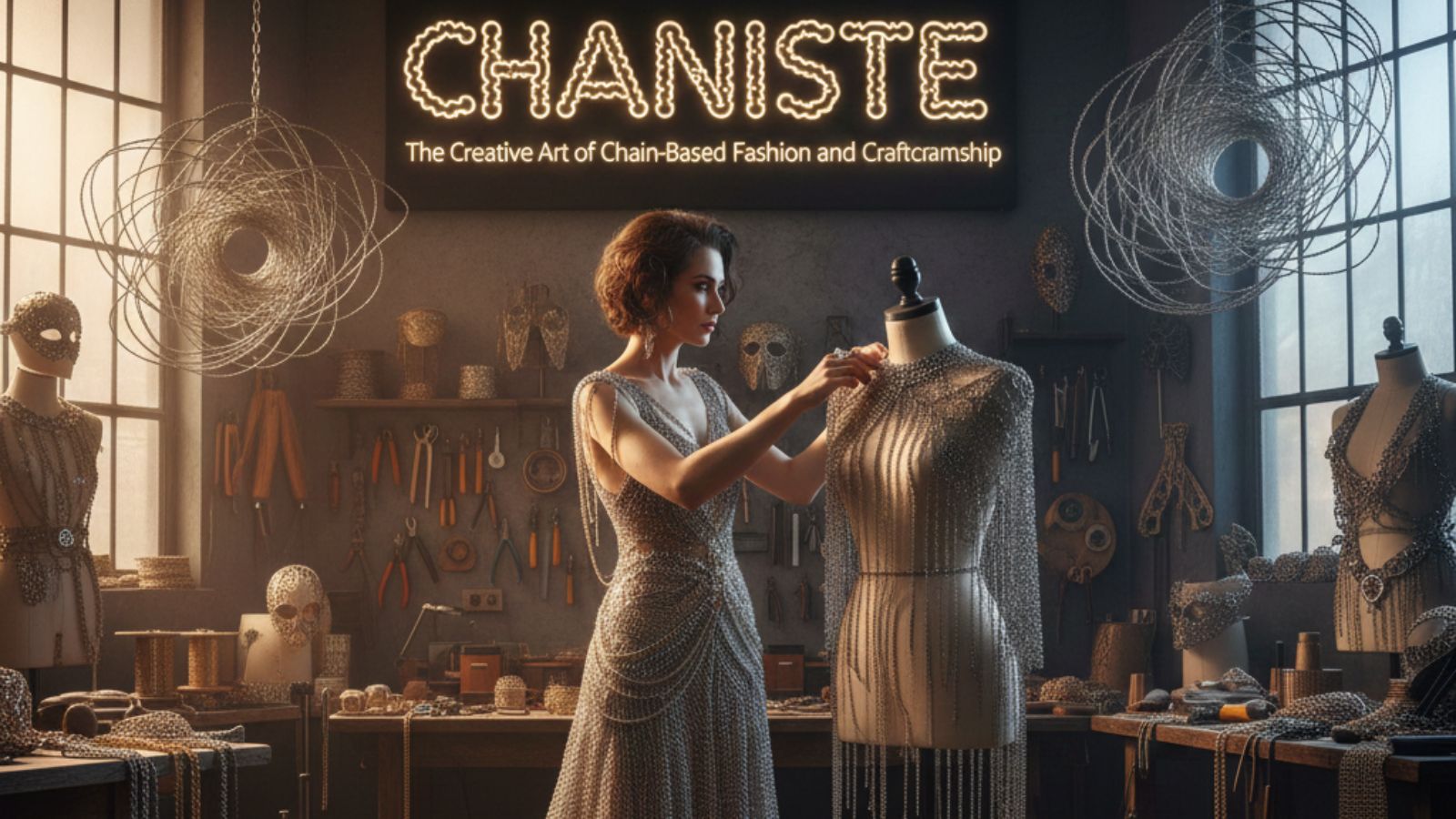
Chainiste, pronounced “shuh-neest,” represents an innovative fusion of metalwork and textile artistry that has captivated creative minds worldwide. This distinctive craft involves connecting chains of various colors, textures, and materials to create striking patterns and designs on clothing, accessories, and decorative pieces. Whether you’re seeking a new creative outlet or looking to add unique handmade elements to your wardrobe, chainiste offers endless possibilities without requiring formal training.
Understanding Chainiste: A Unique Craft Form
At its core, chainiste reimagines how chains and fabric interact. This creative discipline uses chains, chain mesh, and chain links in innovative ways to produce clothing, jewelry, sculptures, and decorative objects. The distinctive metallic aesthetic sets chainiste apart from traditional textile crafts, offering a bold, edgy alternative to conventional fashion and design.
The technique typically begins with a base item—a plain t-shirt, jacket, or accessory—which is then enhanced through various chain applications. Artisans may add chain stitching, sew on chain mesh, or create chain fringe by attaching multiple chains along edges and hems. More intricate designs involve weaving thin chains through fabric or leather, while secure attachments are achieved through sewing, gluing, or welding chains directly to surfaces.
Historical Roots: From French Origins to Modern Revival
Chainiste’s story begins in late 1800s France, where chain stitch embroidery gained popularity as a decorative technique for clothing, accessories, and home furnishings. This specialized stitching method gradually evolved into its own distinct style, eventually becoming known as chainiste.
The craft reached its peak during the early 1900s, when Parisian seamstresses and tailors embraced chain stitching in high-fashion circles. Elite artisans created exquisite chain stitch patterns on silk gloves, stockings, evening gowns, coats, and lingerie. Prestigious department stores like Le Bon Marché featured entire chainiste clothing collections, making the style accessible to fashion-conscious consumers.
However, the rise of machine-made clothing in the mid-20th century led to chainiste’s decline. The craft experienced a renaissance in the 1960s when interest in handmade garments resurged. Contemporary artists have since modernized the chainiste aesthetic by incorporating both hand and machine stitching techniques, breathing new life into this traditional art form.
Materials and Techniques: Building Your Chainiste Repertoire
The beauty of chainiste lies in its versatility and openness to experimentation. Crafters can work with various metals including silver, gold, and bronze, selecting from an extensive range of chain styles—from heavy, bold links to delicate, intricate designs. Chains vary significantly in thickness and texture, allowing artists to create diverse visual effects by mixing metallic finishes.
Personalization options are virtually limitless. Before attaching chains to your base material, consider embellishing them with gems, beads, or charms to create truly unique pieces. This customization potential makes each chainiste creation one-of-a-kind, reflecting the artist’s individual style and vision.
The practical applications range from dramatic statement costume pieces to subtle accents that elevate everyday outfits. This flexibility makes chainiste ideal for both beginners exploring new creative territories and experienced artisans seeking fresh challenges.
Styling the Chainiste Aesthetic
Creating an authentic chainiste look involves combining edgy, rebellious elements while maintaining an approachable, casual vibe. Start with a chain necklace paired with a simple t-shirt or tank top as your foundation.
Essential accessories include:
- Chunky rings: Stack multiple sterling silver or statement rings for bold impact
- Bracelets: Layer leather or beaded bracelets in earthy tones on your wrists
- Belts: Wide belts featuring metal studs, loops, or chains worn over dresses, blouses, or jackets
- Boots: Combat, biker, or hiking boots with buckles, straps, or rugged soles
- Jackets: Leather, denim, or utility jackets with zippers, buttons, or decorative patches
- Scarves: Cotton or chiffon scarves in solid colors or plaid patterns
A classic chainiste outfit might combine a graphic tank top with black skinny jeans, a studded belt, biker boots, and a cropped denim jacket. Complete the ensemble with a chain necklace, stacked rings, and a patterned scarf for a cohesive look that balances edge with wearability.
The key is layering pieces with an urban, slightly rebellious attitude while keeping the overall aesthetic relaxed and approachable. Experiment with mixing textures, colors, and garment types to discover your personal chainiste style.
Why Choose Chainiste?
Chainiste appeals to creative individuals for several compelling reasons. The craft requires minimal initial investment—just basic tools and chains to begin creating. Unlike many specialized crafts, chainiste welcomes beginners without demanding extensive training or technical expertise.
The learning curve is gentle, allowing newcomers to produce satisfying results quickly while providing enough depth for long-term skill development. As you progress, you’ll discover increasingly sophisticated techniques and design possibilities that keep the craft engaging and challenging.
Beyond technical skills, chainiste offers opportunities for self-expression and community building. Many practitioners find joy in connecting with fellow enthusiasts who share their passion for this distinctive art form. Whether you’re drawn to the creative process, the unique aesthetic results, or the metalworking aspects, chainiste provides a rewarding creative outlet.
Getting Started with Chainiste
Begin your chainiste journey by gathering basic supplies: assorted chains in different weights and finishes, a base garment or accessory, and appropriate attachment materials (thread, glue, or basic welding equipment depending on your chosen technique). Start with simple projects like adding chain fringe to a t-shirt hem or creating a chain bracelet.
As your confidence grows, experiment with more complex designs incorporating multiple chain types, mixed metals, and decorative elements. The craft’s forgiving nature means mistakes often lead to happy accidents that inspire new creative directions.
Conclusion
Chainiste represents a unique intersection of traditional craftsmanship and contemporary fashion sensibility. This accessible yet sophisticated art form welcomes creators of all skill levels to explore the distinctive aesthetic possibilities of chain-based design. Whether you’re crafting wearable art, decorative pieces, or fashion accessories, chainiste offers unlimited creative potential and the satisfaction of producing truly original handmade work.
