

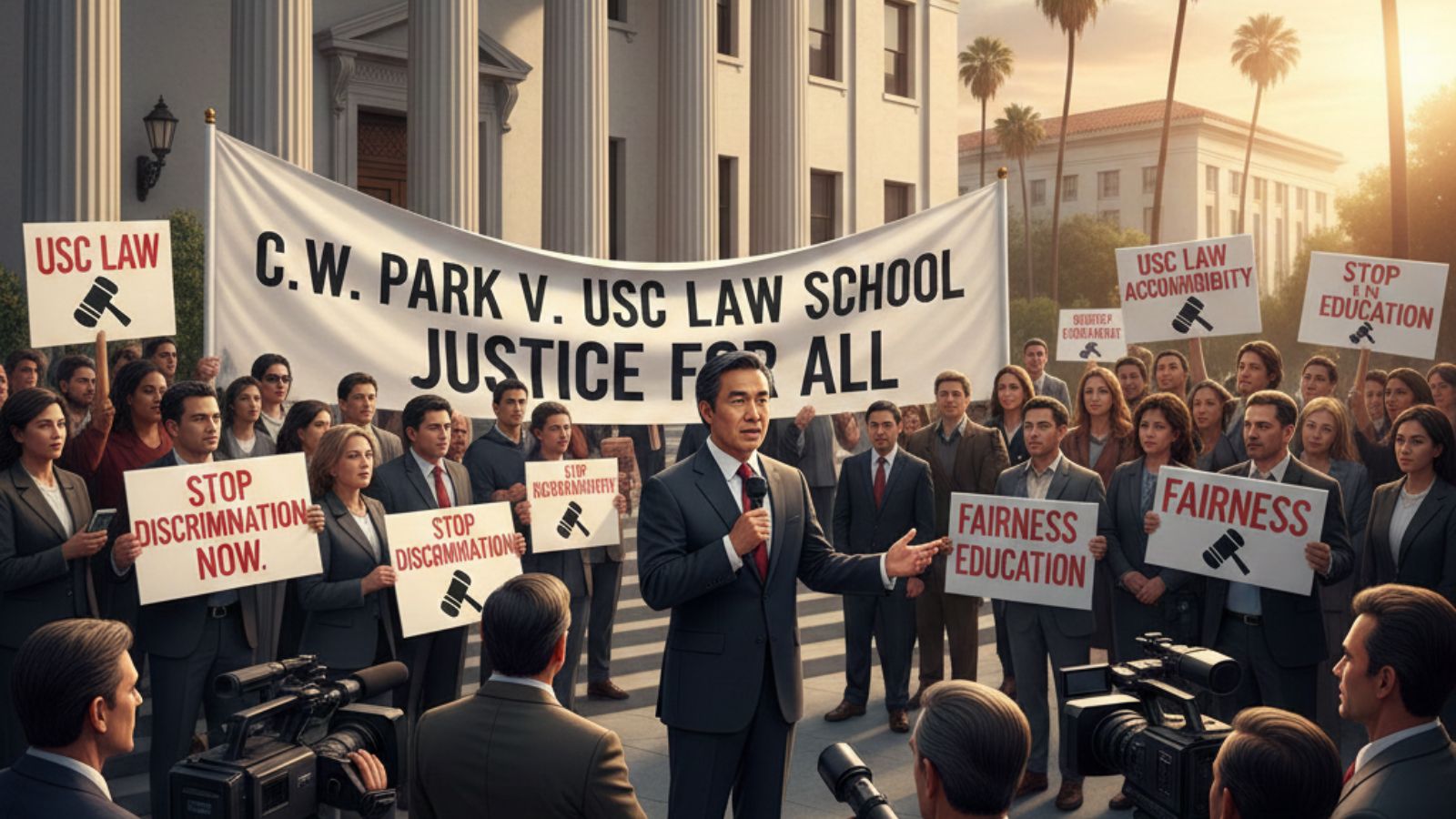
The C.W. Park USC lawsuit has emerged as a significant case highlighting serious allegations of misconduct within one of America’s premier academic institutions. This legal battle involves Professor Choong Whan (C.W.) Park, a distinguished marketing scholar at the University of Southern California’s Marshall School of Business, and brings to light troubling claims that have reverberated throughout the academic community.
What is the C.W. Park USC Lawsuit About?
The C.W. Park USC lawsuit centers on allegations of sexual harassment, gender discrimination, and retaliation brought against the professor and the university. The case gained prominence when former doctoral student Yi Youn Kim filed a lawsuit detailing a pattern of inappropriate behavior and institutional failures in addressing her complaints. The lawsuit alleges that Park abused his position of authority to create a hostile environment, while USC failed to take appropriate action despite being aware of the misconduct.
This case has drawn significant attention because it involves a prominent academic figure and raises questions about power dynamics in higher education, the effectiveness of university policies in protecting students, and institutional accountability when handling sensitive complaints.
Background of C. Whan Park USC
C.W. Park built an impressive reputation as a marketing professor and researcher at USC Marshall School of Business. With decades of experience in academia, Park established himself as an authority in consumer behavior and brand management. His research contributions and academic standing made him an influential figure within the business school, which subsequently complicated the allegations against him.
Park’s position provided him considerable influence over students’ academic careers, including their research opportunities, funding, and future job prospects. This power dynamic is central to understanding the allegations, as the lawsuit claims he exploited this authority to engage in inappropriate behavior while victims felt unable to report or resist due to fear of professional retaliation.
USC and Choong Whan Park Response over Allegations
Both USC and Professor Park have responded to the allegations, though their responses have been scrutinized by observers following the case. The university initially stated it takes all complaints seriously and follows established protocols for investigating misconduct claims. However, critics argue that USC’s response was inadequate and delayed, allowing problematic behavior to continue.
Park has denied the allegations against him, maintaining his innocence throughout the legal proceedings. His legal team has challenged the claims and questioned the motivations behind the lawsuit. Despite these denials, the case has proceeded through the legal system, with both parties presenting evidence and testimony to support their respective positions.
The university’s handling of the situation has faced criticism regarding whether institutional leaders prioritized protecting a prominent faculty member over ensuring student safety and following through on their stated commitment to preventing harassment.
Allegations by Plaintiff Yi Youn Kim
Yi Youn Kim, the primary plaintiff in the lawsuit, has presented detailed allegations describing a sustained pattern of inappropriate behavior. According to court documents, Kim claims that Park made unwanted sexual advances, engaged in inappropriate communications, and created an environment where she felt professionally threatened if she rejected his behavior.
The allegations include claims that Park leveraged his position as her doctoral advisor to isolate and manipulate Kim, making her academic success dependent on compliance with his demands. Kim asserts that when she attempted to resist or report the behavior, she faced professional retaliation, including threats to her academic standing and future career prospects.
These allegations paint a disturbing picture of power abuse within an academic setting, where students depend on their advisors for guidance, recommendations, and career advancement, creating vulnerability to exploitation.
Cultural Context and Investigation
The lawsuit also addresses cultural dynamics that may have complicated the situation. Kim’s background and the hierarchical nature of academic relationships, particularly in certain cultural contexts where challenging authority figures is discouraged, allegedly contributed to her reluctance to report the behavior immediately.
When Kim eventually brought her concerns to university officials, the lawsuit claims that USC’s investigation was inadequate, biased, or delayed. Questions have been raised about whether the university took the allegations seriously enough, conducted a thorough investigation, and implemented appropriate remedial measures to protect the complainant and prevent future misconduct.
More Accusations and USC’s Part
1. Work and Getting Hired
Beyond the primary allegations, the lawsuit suggests broader concerns about the work environment and hiring practices within the department. Claims indicate that Park may have influenced hiring decisions and work assignments in ways that created preferential treatment for some while disadvantaging others, particularly those who rejected his advances or filed complaints.
The case raises questions about whether USC maintained adequate oversight of faculty conduct and whether institutional mechanisms existed to prevent abuse of power in professional decisions affecting students and junior colleagues.
2. Park’s Job and Stopping
Following the allegations, questions emerged about Park’s employment status and whether USC took appropriate disciplinary action. The lawsuit addresses concerns about whether the university allowed Park to continue in his position despite credible allegations, potentially exposing additional students to risk.
Critics have questioned whether USC prioritized protecting its reputation and avoiding scandal over ensuring accountability and student safety, a concern that has affected public perception of the institution’s handling of the matter.
Laws and School Stuff
The C.W. Park USC lawsuit involves multiple legal frameworks, including Title IX regulations that prohibit sex-based discrimination in educational institutions, employment discrimination laws, and California state laws addressing harassment and retaliation. These legal standards require universities to respond promptly and effectively to harassment complaints and protect complainants from retaliation.
USC’s policies on sexual misconduct and harassment are also central to the case, with allegations suggesting the university failed to follow its own procedures or that those procedures were insufficient to address the situation adequately.
What Happens Next?
The C.W. Park USC lawsuit continues to progress through the legal system, with ongoing proceedings that will determine the ultimate outcome. Potential resolutions include settlement agreements, trial verdicts, or dismissals, each carrying different implications for the parties involved and the university.
Regardless of the legal outcome, the case has already influenced discussions about institutional accountability, power dynamics in academia, and the need for robust protections against harassment. It serves as a reminder that universities must prioritize student safety and maintain effective mechanisms for addressing misconduct complaints fairly and promptly, ensuring that no individual’s academic standing shields them from accountability when credible allegations emerge.
