

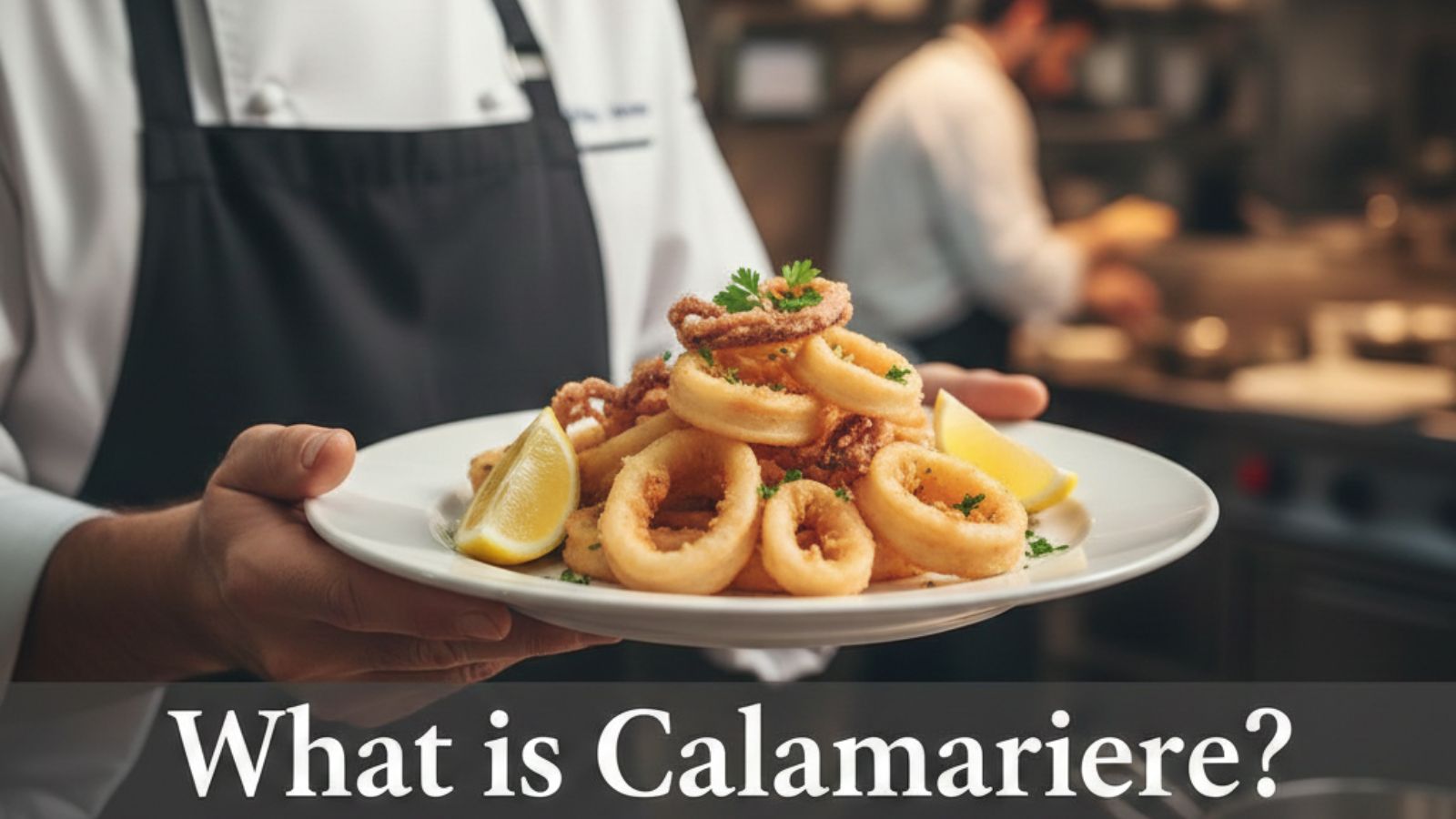
Calamariere represents far more than simply preparing squid—it embodies the specialized craft of transforming this versatile cephalopod into culinary excellence. While most diners recognize “calamari” as the golden-fried appetizer at restaurants, calamariere refers to both the expertly prepared squid and the culinary mastery required to create it perfectly.
The term elevates squid preparation to an art form, similar to how a pizzaiolo masters pizza or a sushi chef perfects their craft. A true calamariere possesses deep knowledge of squid anatomy, traditional recipes, and innovative techniques that transform this humble mollusk into sophisticated dishes.
The Rich History Behind Calamariere
Squid consumption dates back thousands of years to ancient Greek and Roman civilizations. Mediterranean coastal communities embraced calamari as fishing expanded, with Italy playing a pivotal role in popularizing fried preparations during the 19th century.
Interestingly, North America largely ignored squid until the 1970s. Fishermen used it as bait rather than food. Facing declining cod and haddock stocks, a strategic rebranding transformed “squid” into the exotic-sounding “calamari,” evoking European sophistication. This marketing success, combined with serving smaller appetizer portions, helped skeptical diners embrace this previously uncommon ingredient. By the 1990s, calamari had become a beloved restaurant staple.
Exceptional Nutritional Benefits of Calamariere
Calamariere isn’t just delicious—it’s a nutritional powerhouse. Raw squid contains approximately 78 calories per 100 grams while delivering 15-18 grams of high-quality protein, making it ideal for health-conscious diners.
Key Nutritional Highlights
Vitamins and Minerals: Squid provides exceptional amounts of Vitamin B12 (supporting nerve function and energy), selenium (a powerful antioxidant), and copper (essential for red blood cell production). It also contains significant phosphorus, zinc, and iron.
Heart-Healthy Omega-3s: With over 560mg of EPA and DHA omega-3 fatty acids per 100 grams, calamariere supports cardiovascular health, reduces inflammation, and helps regulate heart rhythm.
Additional Benefits: The taurine content promotes heart health, while dopamine supports focus and mood. Vitamin B2 may reduce migraine frequency, and the mineral profile strengthens bones, teeth, and immune function.
Recent research confirms that moderate seafood consumption, particularly species rich in omega-3s like squid, supports improved cognitive development in children and better behavioral outcomes.
Cooking Method Matters
While raw calamari contains just 78 calories per 100 grams, fried versions can reach 300-400 calories due to batter and oil. Grilled, baked, or steamed preparations maintain the nutritional benefits while keeping calories low.
Sustainable Sourcing: Choosing Responsible Calamariere
The global squid market reached $12.2 billion in 2024, with projected growth exceeding 3.8% annually through 2034. This surging demand makes sustainable sourcing critical.
What to Look For
Seek certifications from the Marine Stewardship Council (MSC) or NOAA Fisheries. Currently, only two species hold sustainable seafood designations: Longfin Inshore Squid and Northern Shortfin Squid. The MSC blue fish label ensures healthy populations, minimal environmental impact, and responsible fishery management.
Fresh squid should have bright skin with red pigmentation, white flesh, and a clean briny smell. Avoid any ammonia or overly fishy odors, which indicate spoilage.
Mastering Calamariere: Essential Preparation Techniques
Cleaning Squid
While pre-cleaned squid is available, cleaning whole squid is economical and straightforward. Separate the head from the mantle, remove the beak and tentacles, extract the thin cartilage quill, optionally remove the skin, and rinse thoroughly. Many chefs keep the skin for visual appeal and flavor.
The Secret to Perfect Texture
The golden rule of calamariere: cook squid either very quickly at high heat (2-3 minutes) or low and slow (20-45 minutes). Anything between creates rubbery, tough calamari.
This occurs because squid’s collagen content requires specific temperature and time combinations. Quick cooking prevents collagen from toughening, while extended cooking breaks it down into tender gelatin. The middle zone partially denatures collagen without full breakdown, creating that undesirable rubbery texture.
Popular Calamariere Cooking Methods
Frying
Soak squid in milk or buttermilk for 15-30 minutes to tenderize. Coat in seasoned flour mixed with cornstarch and baking powder for extra crispiness. Fry in small batches at 350-375°F for 1-3 minutes until golden. The result: crispy exterior with tender interior.
Grilling
Toss squid with olive oil, lemon, and herbs. Grill over high heat for 1-2 minutes per side until browned. This healthy method delivers smoky flavor with minimal added calories.
Sautéing
Quick-cook sliced squid in hot olive oil with garlic and capers for 2-3 minutes. This versatile technique works beautifully with marinara sauce or as a pasta topping.
Stir-Frying
Popular in Asian cuisine, blanch squid briefly (10-30 seconds) before stir-frying with vegetables and sauces for 1-2 minutes total cooking time.
Diverse Calamariere Recipe Ideas
Classic Preparations: Traditional fried calamari with marinara, grilled squid with lemon and olive oil, or sautéed calamari with tomato sauce remain timeless favorites.
Pasta Dishes: Calamarata pasta features calamari slow-cooked in rich tomato sauce, while squid ink pasta adds dramatic color and subtle briny flavor.
Global Innovations: Explore stuffed calamari, Latin American ceviche, calamari tacos, or modern fusion dishes like Nashville hot calamari sandwiches and calamari white pizza.
Conclusion: Elevate Your Culinary Skills with Calamariere
Mastering calamariere transforms you from a casual cook into a seafood specialist. By understanding sustainable sourcing, proper preparation techniques, and the critical timing that determines texture, you’ll create restaurant-quality squid dishes at home. Whether you prefer classic fried calamari or innovative global preparations, this nutritious, versatile ingredient deserves a prominent place in your culinary repertoire. Embrace the art of calamariere and discover why this ancient food continues captivating modern palates worldwide.
